How to taste wine without pretending
18 July 2026 · 6 min read
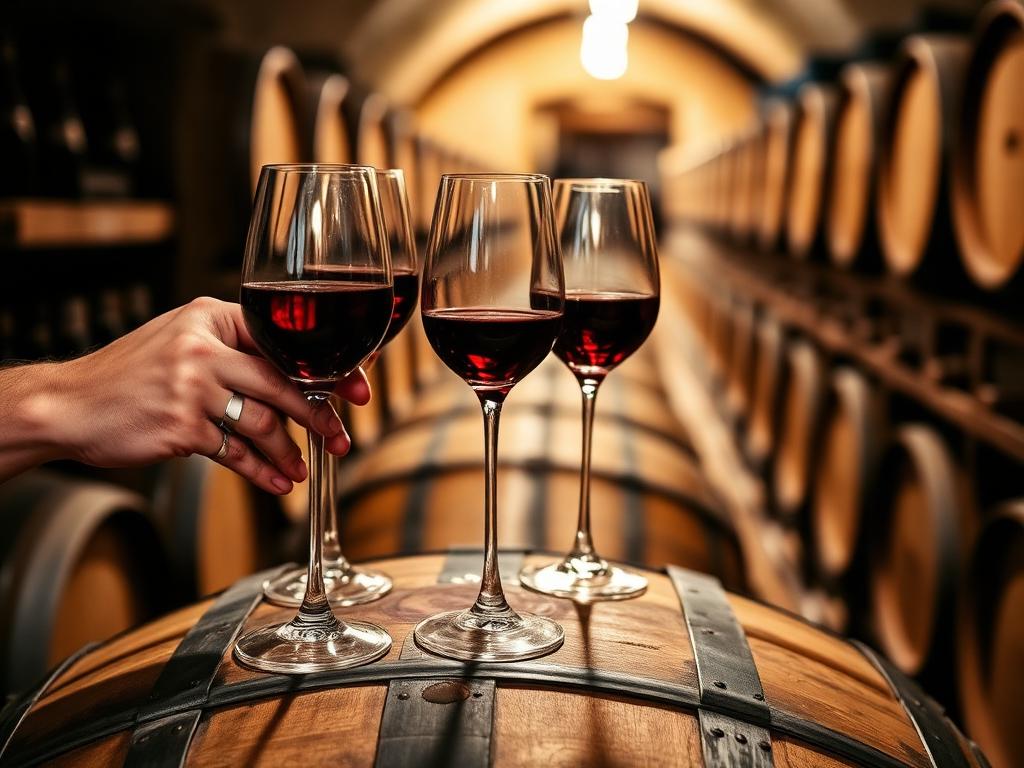
Most people arrive at their first tasting worried about saying the wrong thing. The good news: hosts do not expect vocabulary, they expect curiosity.
Start with look. Tilt the glass over something pale and note whether the colour is bright or dull, deep or watery. That single observation already tells you about age and concentration.
Then smell twice — once still, once after a gentle swirl. Name the first thing that comes to mind, even if it is 'wet stone' or 'my grandmother's kitchen'. Precision comes later; association comes first.
Taste in three parts: the attack, the middle, and how long the flavour lasts after you swallow. Length is the easiest quality marker for a beginner to detect.
Finally, ask the host one question about the producer. A tasting is a conversation, and the answer is usually the part you remember months later.